|
Scott's Mountaineering & Photography Site
|
What didn't work:
My first experience in the mountains after 10 years was skiing at Vail in 2000. While not overweight, I was not exactly in shape either. No cardio training, no strength training, and to make matters worse I had a pretty bad cold with a cough. In fact, I did just about everything I could have done wrong in sequence to make myself miserable. Here's what I did wrong: I arrived sick traveling from sea level and did not drink water, proceeded to go to the bar with my cohorts and drink a lot more than I should have, had dinner at 1 AM and went to sleep at 2:30 AM. 2 hours later I woke up, my head spinning from alcohol, dehydration, and altitude. My body suffered through the next 3 days but I did get to enjoy the best skiing conditions of my life. We skied some backcountry areas (Minturn mile) and it was an awesome experience but hard because I had neglected training and common sense! Don't do what I did. What does work for me: I was scared after the first trip to Vail that I would not have a good time at altitude. When I decided I was going to climb a 14er and after years of prodding from my brother, I started running. The running gave me the cardio fitness I needed, and I also lift weights starting 6 weeks before a climb. My training also includes:
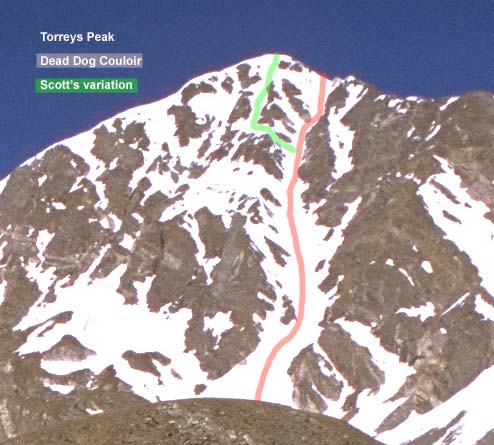
What I would have done differently: This is the hindsight part. I felt great in Colorado and Mount Washington, but I should have trained harder for Mount Whitney. The trails and climbing routes I did in Colorado were rocky and made their way upward at a nice angle, but never were too challenging for my fitness and ability. I thought I was in better shape for Mount Whitney, but the Mountaineers Route (just getting to the actual mountain) was harder than I expected. More stair climbing with a pack was what I should have done. Finally, from a technical point of view I never felt unsafe on Flattop or Whitney when I was with a guide or climbing partners. On Torreys Peak however, I did feel in danger at one point and here is why: I did not study the route enough from the base of the couloir, went off route following another climbers footsteps, and ended up all by myself on a snow climb off route on my first 14er. I was not lost, the only way to go was up, but I think it was steeper than the standard route. Also, I was worried that the soft snow would give way in some spots so I moved to the rock at the side. The rock was covered with a very thin layer of ice and there were a couple of places that my axe was more of an ice tool and had to stick or else?..........I didn't want to find out so I went very slowly and methodically. I read later in "Accidents in North American Mountaineering" that this is a classic beginners mistake. Climbers move to rock which is slick with a layer of ice and actually more likely to cause a fall. I made it without incident and learned a few things that day about climbing. Next time I would leave earlier, stay on route and bring a partner if possible.
|
|||||||||
| Panoramas | Photo Gallery | |||||||||
| ©2001-2008, Scott Stillman, All Rights Reserved | ||||||||||